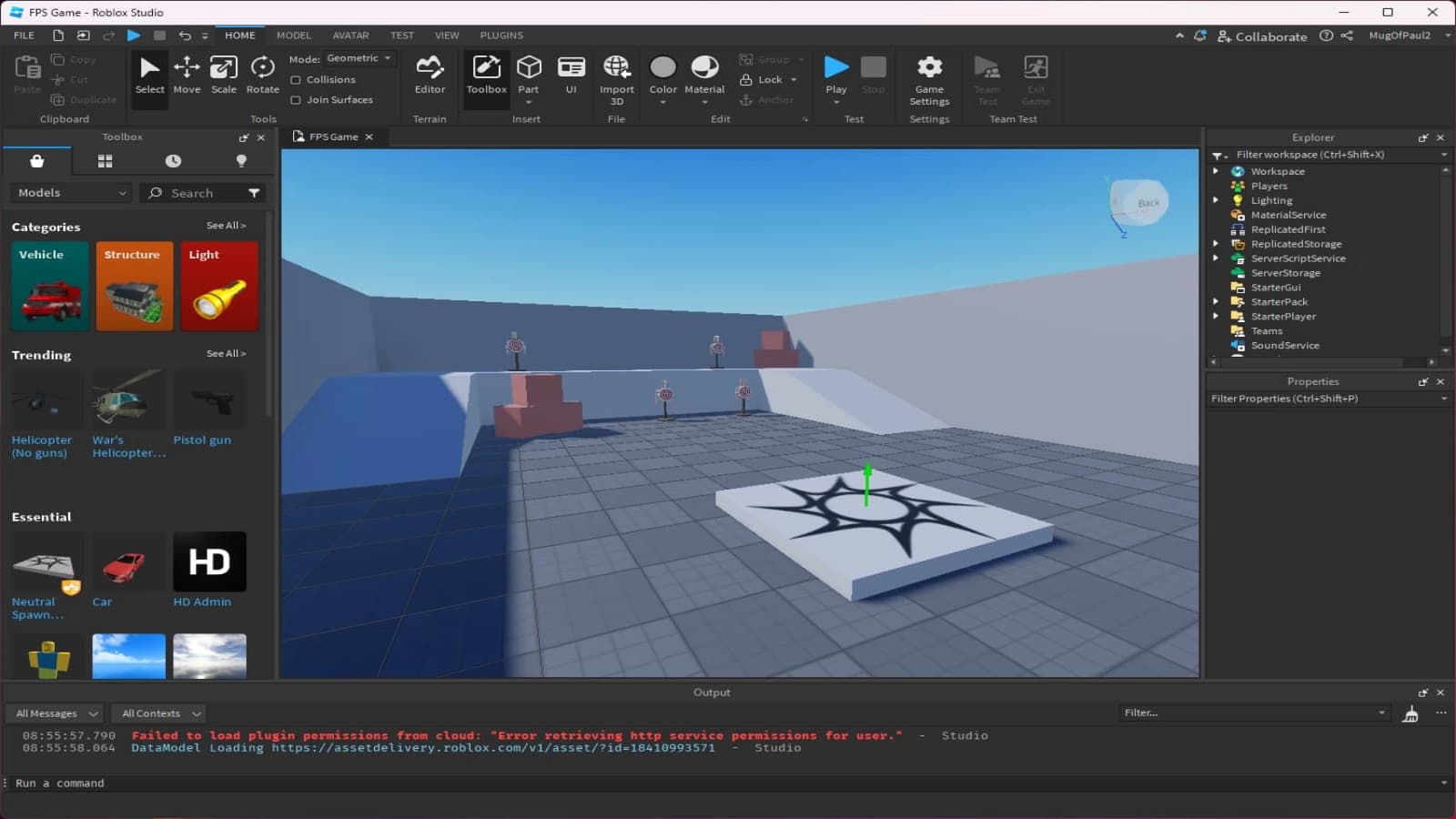
Roblox or Unity? Both platforms let children create and publish real games, and both are fantastic for learning. But they serve different ages and different goals. Here is an honest comparison.
Roblox: instant publishing, huge audience
Roblox Studio is free, beginner-friendly and gives young creators (roughly 9+) an instant audience of millions. Kids use Lua, a scripting language, to build 3D worlds. The magic of Roblox is motivation: a child can publish a game and see real players interact with it — that feedback loop is incredibly powerful.
Unity: professional-grade, career-ready
Unity and C# are used by commercial game studios around the world — from indie hits to mobile giants. The learning curve is steeper, which makes it ideal for teens (roughly 12+). Learners work with physics, UI systems, 2D/3D rendering and C# scripting — skills that map directly to the professional industry.
What about the math and logic?
Both teach real logic and problem-solving. Roblox's Lua is forgiving and visual; Unity's C# is stricter and closer to professional software engineering. In Roblox, kids learn by tinkering; in Unity, they learn by engineering.
How to choose
If your child is 9–12 and loves Roblox, start with Roblox development — it turns screen time into creation time. If your child is 12+ and serious about becoming a game developer, Unity C# is the professional path. Many teens do both: Roblox first for confidence, Unity for a real portfolio.
Unity & C# (12+)
Professional game development with Unity and C# — design mechanics and ship playable projects (12+).
Read article